Call us now: +1(800) 123 4567
Email: oesus@support.com

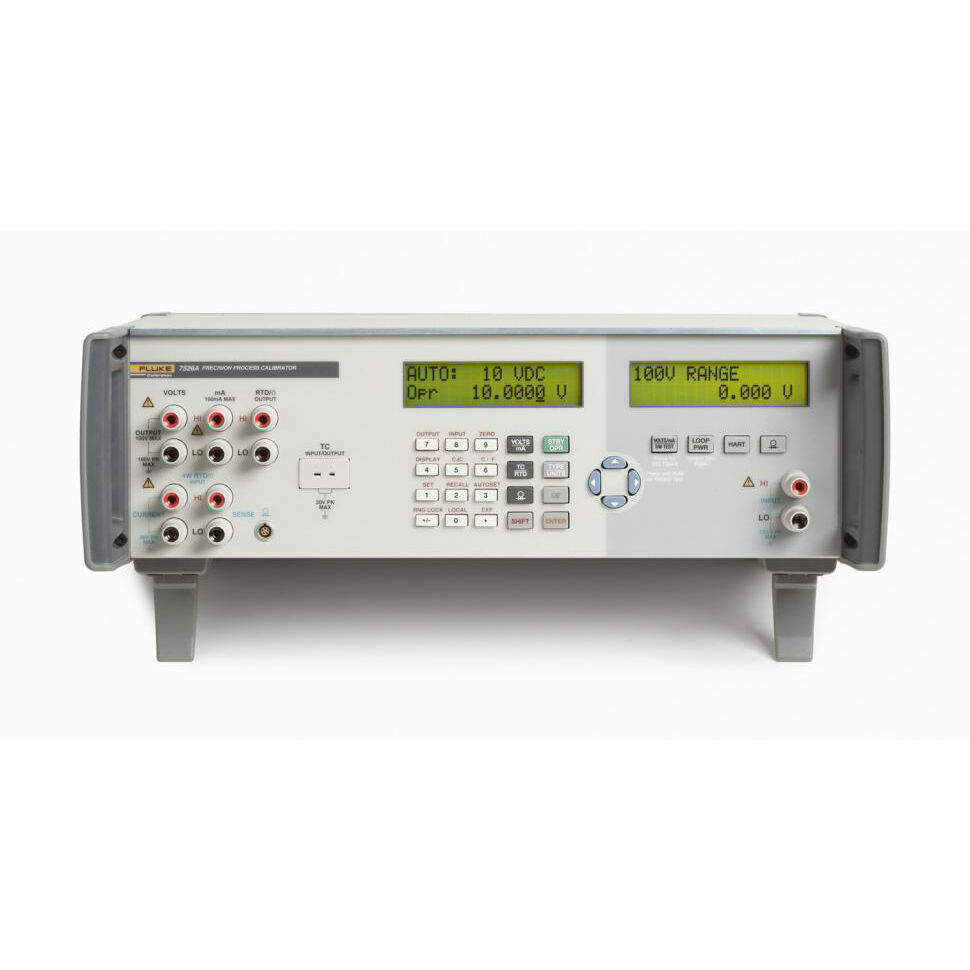
Choosing a calibration instrument involves more than checking specifications and measurement ranges. Even a high-quality instrument can create operational problems if the supplier cannot answer technical questions, provide accurate documentation, or help resolve issues after delivery. For maintenance engineers, calibration technicians, and quality managers, technical support can directly affect measurement reliability, equipment uptime, and compliance with internal procedures.
However, suppliers do not always offer the same level of assistance. One may provide detailed product guidance before purchase but limited troubleshooting afterward. Another may help with instrument selection, calibration documentation, and service coordination throughout the equipment’s useful life.
When comparing a calibration instruments supplier, evaluate the complete support process rather than relying on general promises. The following guide explains what to check, which questions to ask, and how to determine whether a supplier can support your team’s practical measurement requirements.
Before comparing suppliers, define the problems your team expects them to solve. A facility that calibrates pressure transmitters has different requirements from a laboratory working with electrical calibrators, temperature sensors, or multifunction instruments.
Start by reviewing the equipment you use and the tasks your technicians perform. Consider whether they need assistance with instrument selection, configuration, operating procedures, troubleshooting, or calibration records.
For example, a maintenance team working with 4–20 mA process loops may need guidance on sourcing a compatible loop calibrator. Meanwhile, a quality laboratory may prioritize measurement uncertainty information, traceability documentation, and support for scheduled calibration activities.
Look for a supplier that can explain how its products fit your actual workflow. Useful support areas include:
Not every purchase requires every service. Nevertheless, identifying your priorities helps you compare suppliers against measurable requirements instead of vague claims about customer service.
If you are still building a shortlist, start with the products and services available through TRUEPOINTLAB, then assess each option against your team’s technical needs.
A supplier’s technical knowledge becomes clear when you ask specific questions. A capable representative should understand the basic principles behind the instrument, recognize important application constraints, and know when a question requires confirmation from the manufacturer.
For instance, suppose you need a calibrator for a pressure transmitter operating within a defined range. A useful response should consider the required pressure range, accuracy, connection type, working environment, and whether the application needs pneumatic or hydraulic equipment. Simply recommending a popular model does not establish that the instrument fits your process.
Use realistic scenarios rather than asking only whether a supplier provides technical support.
Consider asking:
Pay attention to how the supplier explains its recommendations. Strong technical support connects specifications to practical consequences. It also acknowledges limitations instead of making unsupported assurances.
A reliable supplier should distinguish verified product information from assumptions. If a representative cannot confirm a technical detail, a clear explanation of how they will obtain the correct information is more useful than a confident but unverified answer.
Technical support matters most when a measurement problem interrupts work. An instrument that produces inconsistent readings, displays an error, or fails to communicate with another device can delay maintenance and complicate quality investigations.
Consequently, ask suppliers how their support process works in practice. Do not assume that a telephone number or contact form guarantees prompt technical assistance.
Before committing to a supplier, establish:
Differentiate response time from resolution time. A supplier might acknowledge a question quickly but require several days to obtain a technical answer. Both measures matter, particularly when your equipment supports a time-sensitive maintenance task.
You can also present a hypothetical troubleshooting scenario. For example, ask what steps the supplier would recommend if a calibrator produces readings outside the expected tolerance. A useful answer should explain the initial checks, relevant documentation, and conditions that warrant further investigation.
Avoid expecting a supplier to diagnose every fault remotely. Electrical hazards, damaged equipment, and suspected calibration failures may require qualified personnel, controlled testing, or an authorized service facility.
Technical support extends beyond answering questions. For many industrial and laboratory applications, a supplier must also help you obtain and interpret the documents needed to manage measurement equipment.
Depending on the instrument and transaction, relevant documents may include a manufacturer’s specification sheet, operating manual, calibration certificate, conformity documentation, warranty terms, and service records.
However, these documents serve different purposes. A specification sheet describes expected instrument performance under stated conditions. A calibration certificate records results from a calibration activity. Neither document automatically proves that an instrument is suitable for every application.
Before purchasing, clarify whether the instrument includes a calibration certificate or whether calibration is a separate service. If a certificate is available, check its identification details, measurement results, applicable ranges, and stated uncertainty.
Also ask whether the documentation identifies the calibration method and the reference standards used. Where measurement traceability matters, the supplier should explain the available evidence and its limitations.
The National Institute of Standards and Technology’s guidance on metrological traceability provides useful background on traceability and the importance of documented measurement relationships.
Remember that traceability alone does not guarantee fitness for purpose. Your organization must still determine whether the instrument’s uncertainty and performance meet the requirements of the measurement process.
A supplier that explains these distinctions helps your team make better technical decisions and maintain more defensible equipment records.
The initial sale represents only one stage in an instrument’s lifecycle. Your team may later need replacement accessories, firmware information, repair coordination, recalibration, or clarification about changing application requirements.
Therefore, compare the supplier’s ability to support the instrument after delivery.
Confirm the exact model and configuration before ordering. Similar product names can conceal differences in measurement functions, input channels, safety ratings, connectors, or supported accessories.
Ask the supplier to verify compatibility when your application depends on specific probes, test leads, adapters, communication interfaces, or software. For electrical measurement equipment, also check that the instrument and accessories suit the intended electrical environment and applicable safety requirements.
Keep the relevant model numbers and technical references in your purchasing records. This makes future support requests more precise.
Ask who handles warranty claims, how the supplier coordinates repairs, and whether the manufacturer requires specific procedures. If the supplier offers calibration or repair services, establish their scope, turnaround expectations, and documentation.
Do not assume every supplier performs these services directly. Some coordinate with manufacturers or third-party service providers. That arrangement may still work well if responsibilities and communication remain clear.
For a more complete purchasing assessment, review questions to ask a calibration instruments supplier before you buy. Combining pre-purchase questions with an after-sales review can help you identify service gaps before they affect operations.
Once you understand your requirements, compare suppliers using the same criteria. A consistent process reduces the influence of persuasive sales language and helps purchasing teams justify their decisions.
Create a simple internal checklist covering technical knowledge, response procedures, documentation, compatibility, warranty handling, and service availability. Record the evidence each supplier provides instead of relying on impressions from a single conversation.
Evaluate each supplier against questions such as:
You can score each criterion using an internal rating system, such as a scale from one to five, and assign greater weight to the requirements that matter most to your operation. For example, a regulated laboratory may prioritize documentation and traceability, while a production maintenance team may place more emphasis on troubleshooting access and service coordination.
Do not treat the highest total score as an automatic decision. A supplier with a strong overall rating may still fail a critical requirement, such as supplying the necessary calibration documentation or confirming compatibility with an existing system.
Instead, identify mandatory criteria first. Then compare suppliers that meet those requirements based on the quality of their technical support and the suitability of their products.
Before finalizing your choice, request written confirmation of important specifications, included documents, support arrangements, and any service commitments. This gives your team a clearer reference for future purchasing and issue resolution.
Look for verified product specifications, relevant application knowledge, accessible technical documentation, clear support procedures, and transparent warranty and service arrangements. The right supplier should match your measurement requirements rather than simply recommend a popular instrument.
Technical support helps your team select compatible equipment, understand operating limitations, troubleshoot problems, and obtain relevant documentation. Effective support can reduce avoidable purchasing mistakes and help maintain reliable measurement processes.
Ask about instrument suitability, accuracy, measurement range, accessories, calibration certificates, response procedures, warranty coverage, and repair or recalibration options. Request written confirmation when a specification or service commitment affects your decision.
Not necessarily with every instrument. Certificate availability depends on the product and the terms of supply. Confirm whether the certificate is included, available separately, or provided through a calibration service, and check whether its contents meet your requirements.
Present each supplier with the same application questions and a realistic troubleshooting scenario. Compare the accuracy of their answers, clarity of documentation, support process, escalation arrangements, and ability to verify product compatibility.
Selecting a calibration instruments supplier is a technical purchasing decision, not simply a product comparison. The supplier should help your team understand instrument capabilities, access relevant documentation, resolve questions, and plan for support after delivery.
Start by defining your application’s requirements, then verify each supplier’s technical claims and service arrangements. A structured comparison makes it easier to identify a supplier whose products and support capabilities fit your operational needs.
Explore the available resources at TRUEPOINTLAB and use the criteria in this guide to prepare more focused questions for your next instrument purchase. A little preparation before ordering can help your team make a more informed and practical decision.
TruePointLab.© 2026. All right reserved